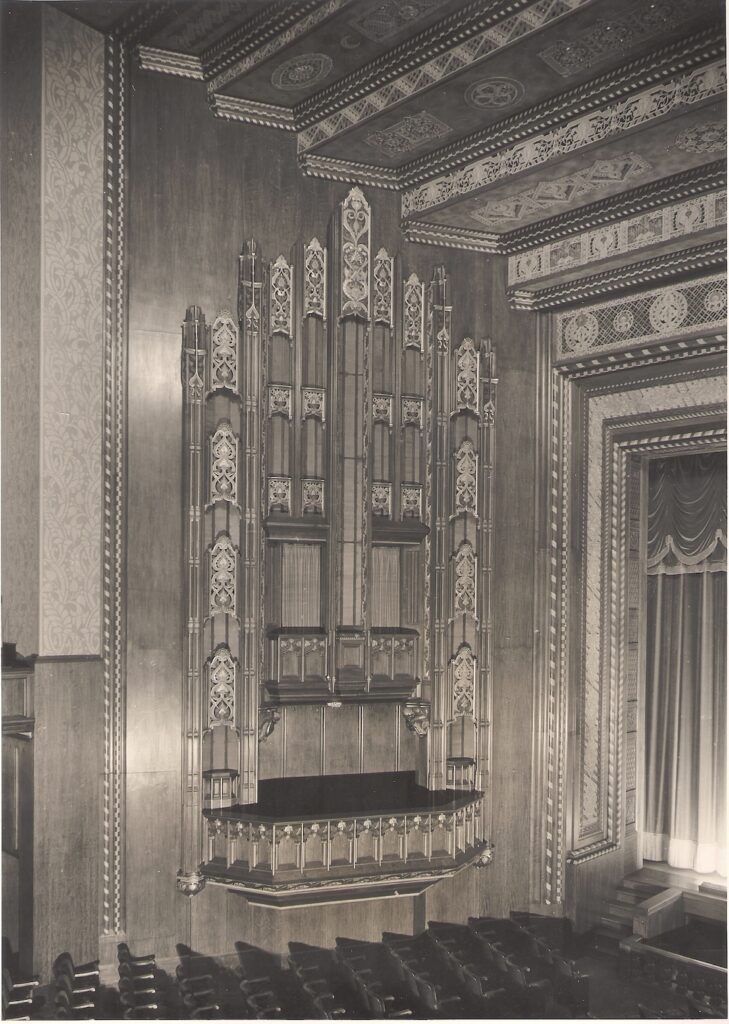
Where History Takes the Stage
Mission
The mission of the Scranton Cultural Center is to enrich our community through cultural programming, arts education, and creative experiences while preserving and celebrating a nationally significant historic treasure that serves as a vibrant center for connection, learning, and opportunity.
Vision
To be Northeast Pennsylvania’s premier hub for the performing arts, entertainment, and cultural experiences—where creativity thrives, communities connect, careers are inspired, and history informs the future within a truly unique historic setting.
Values
Community
We believe the arts are a shared experience of our humanity and are committed to serving as an inclusive, welcoming cultural home that reflects and engages the eclectic communities of our region across generations.
Relationships
We cultivate meaningful partnerships with artists, educators, organizations, workforce partners, and audiences to strengthen cultural life, expand access, and increase regional impact.
Stewardship
We honor our responsibility to preserve, protect, and activate our historic building as a living asset for present and future generations—supporting cultural expression, education, and community vitality.
Education
We champion lifelong learning through arts education, outreach, and creative experiences that inspire curiosity, skill-building, career exploration, and personal growth.
Excellence
We strive for the highest standards in programming, presentation, service, and organizational leadership while embracing innovation and continuous improvement.
A Community Partnership Rooted in the Arts
What began as a Masonic Temple became something much larger. As the Masonic Fraternity recognized the need for a broader community purpose, a grassroots effort formed the not-for-profit organization that runs the Center today. That partnership — between an historic fraternity and the communities of Northeastern Pennsylvania — has proven as enduring as the limestone walls that house it.
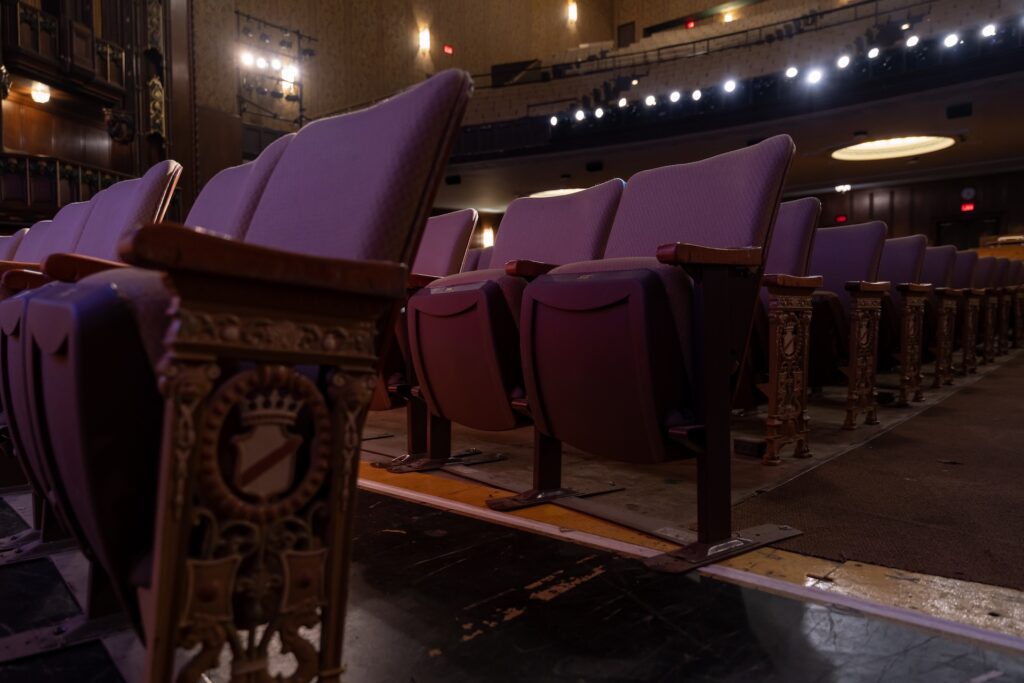
Today, the SCCMT operates as a regional performance and cultural hub — home to national Broadway tours, concerts, and countless community events — while remaining the center of Masonic activity in the region.
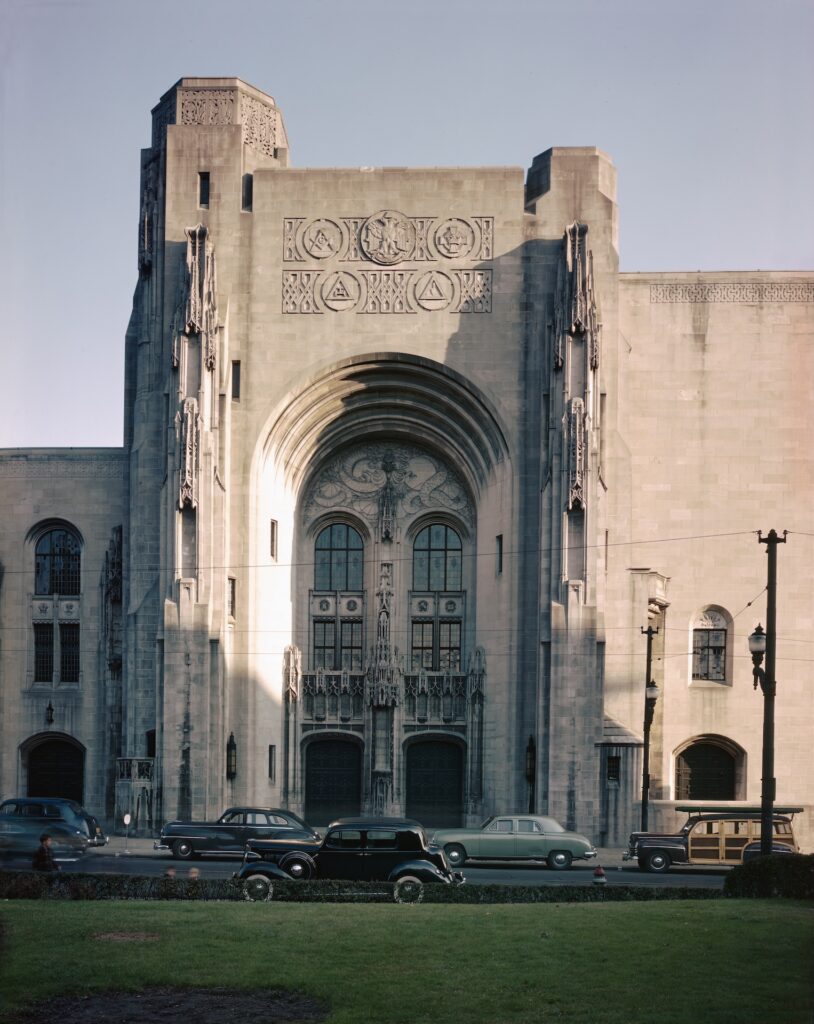
Designed by Raymond M. Hood
420 N. Washington Ave · Built 1927–1930
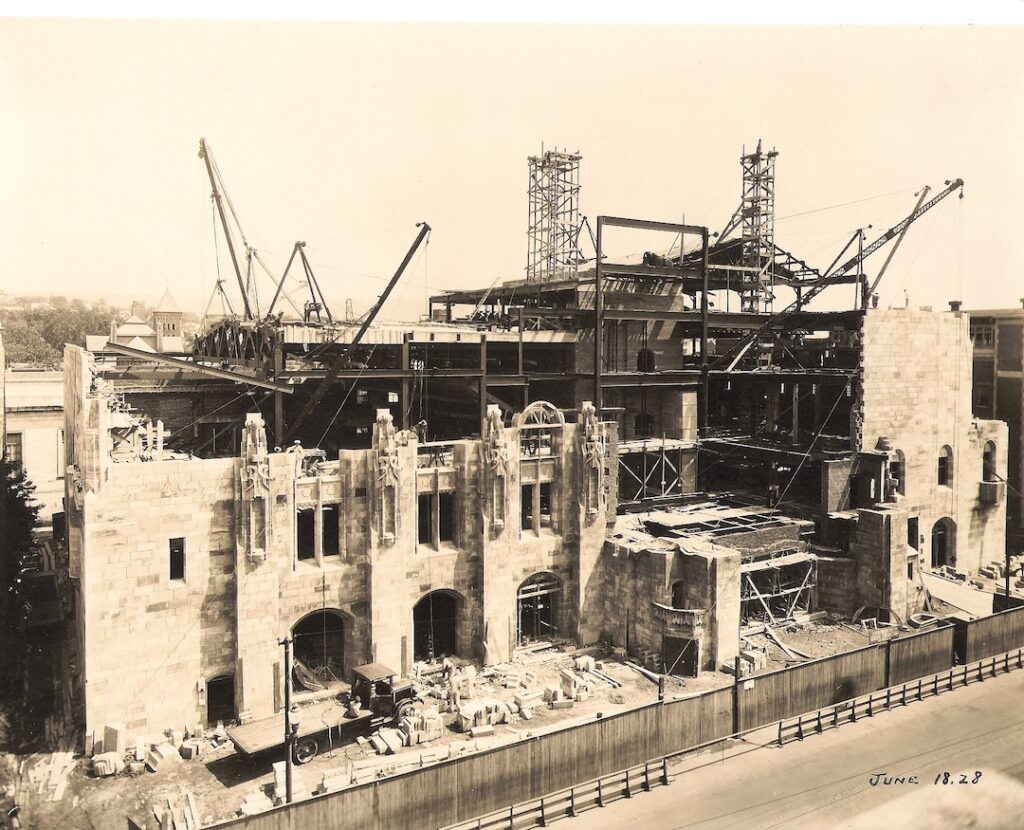
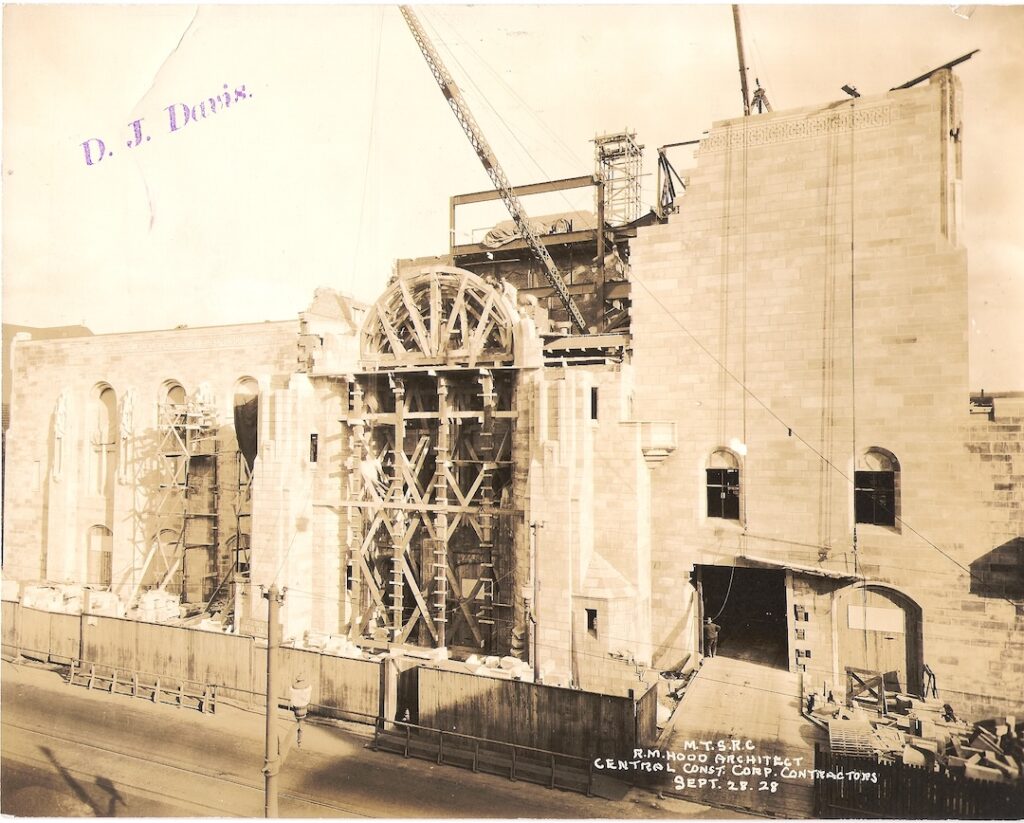
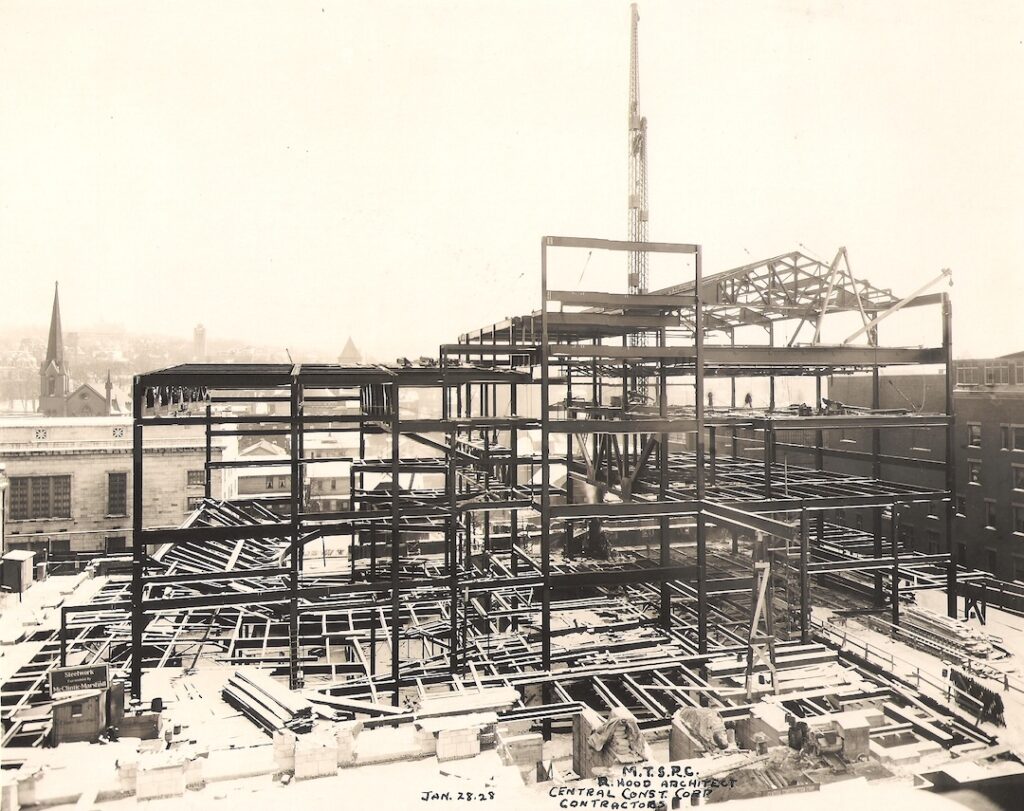
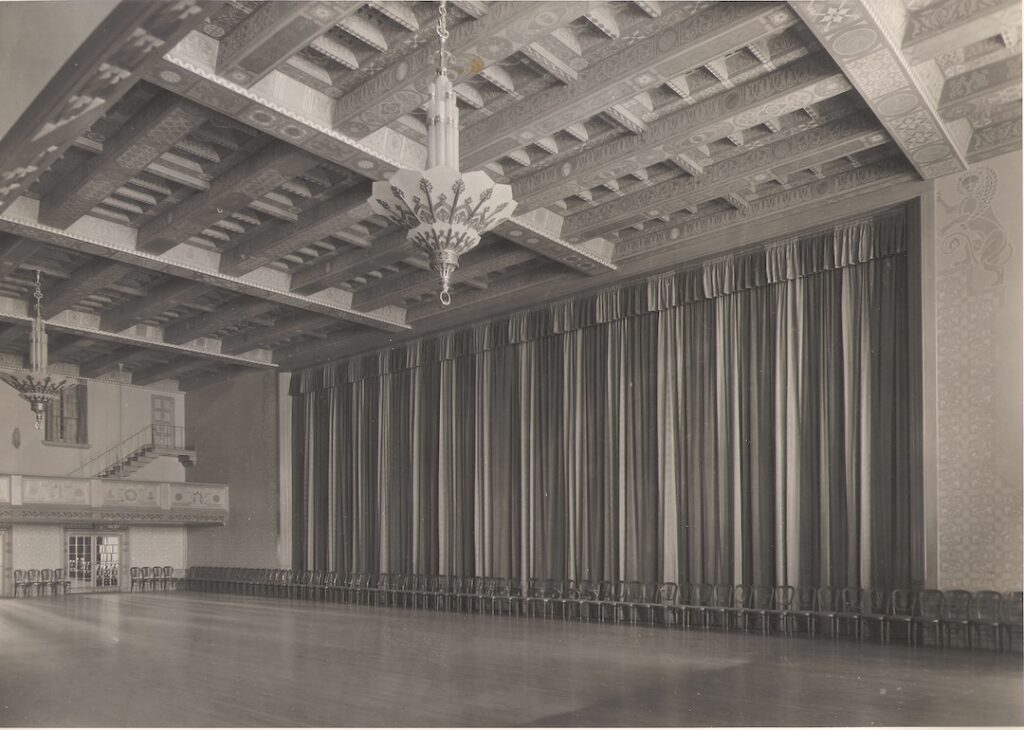
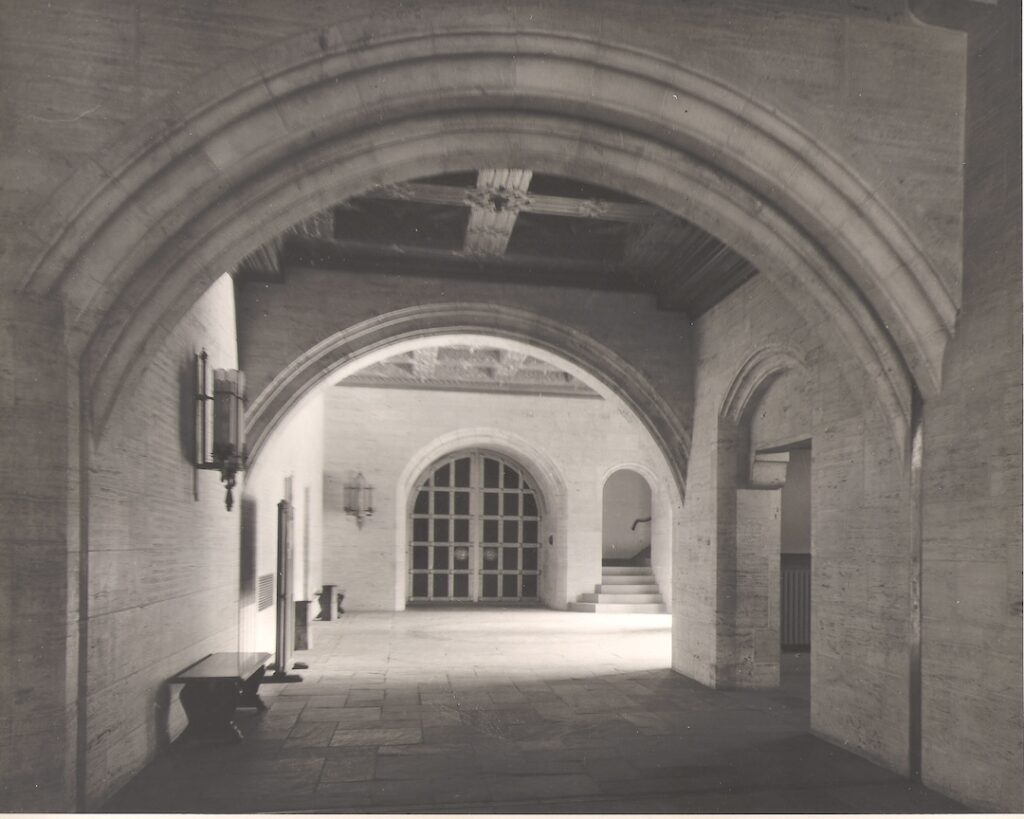
Hood was one of the most consequential American architects of the early 20th century — a Beaux Arts-trained designer who shaped the New York skyline before his untimely death at 53. The Masonic Temple in Scranton stands as one of his most distinctive works: a highly stylized Neo-Gothic and Romanesque pastiche conceived as a monument to Masonry.
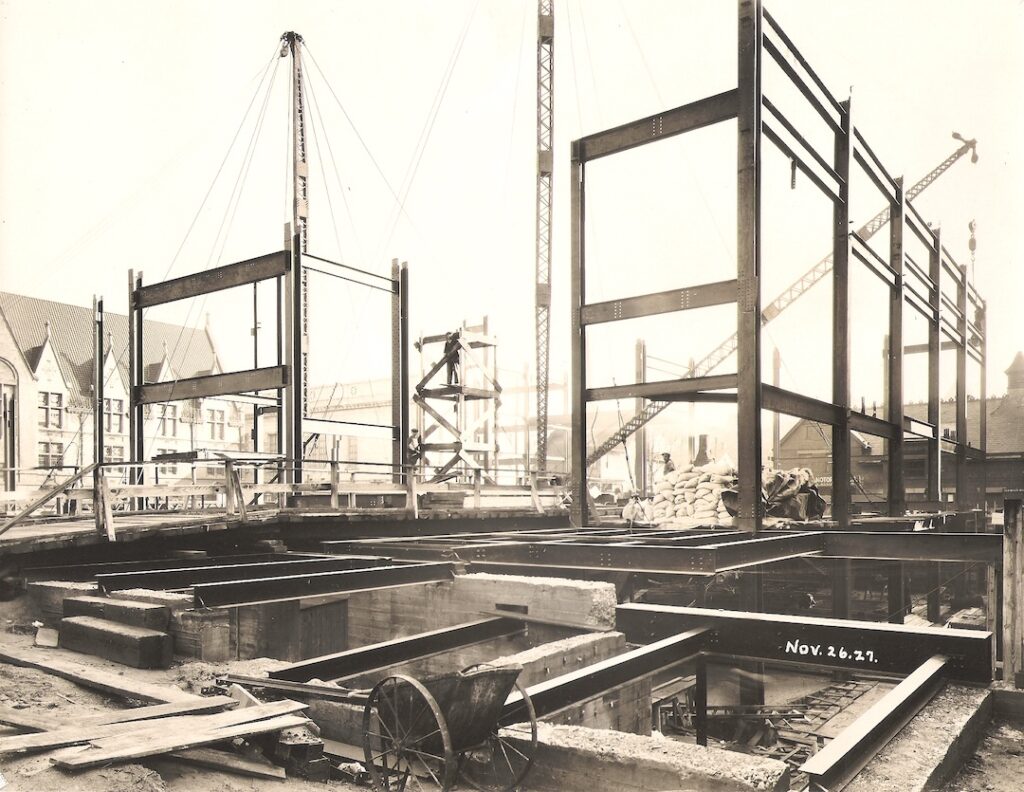
Construction bids went out in January 1927. The building was inaugurated on January 2, 1930 — clad in coursed ashlars of Indiana limestone on a structural steel framework, spanning nearly 180,000 square feet.
Our Stage Has Seen It All
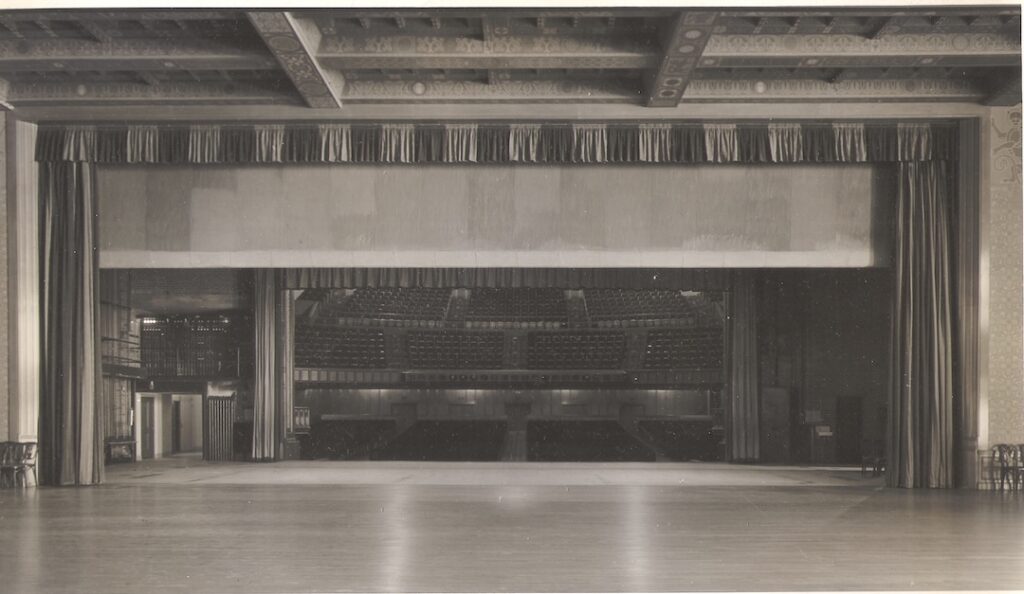
“From Frank Sinatra to Rob Zombie — this stage has never stopped surprising us.”
Frank Sinatra • Billy Joel • Barry Manilow • Willie Nelson • George Carlin • NSync
Britney Spears • Yul Brynner • Bela Fleck • Doc Watson • Rob Zombie
A Landmark Worth Protecting
The Center is in the midst of a multi-phase, multi-million dollar restoration — one of the most significant historic preservation projects in NEPA. Here’s what’s been accomplished so far.
- Complete copper roof system replacement
- Lead paint and asbestos remediation
- New electrical service throughout
- Air conditioning in theatre and ballroom
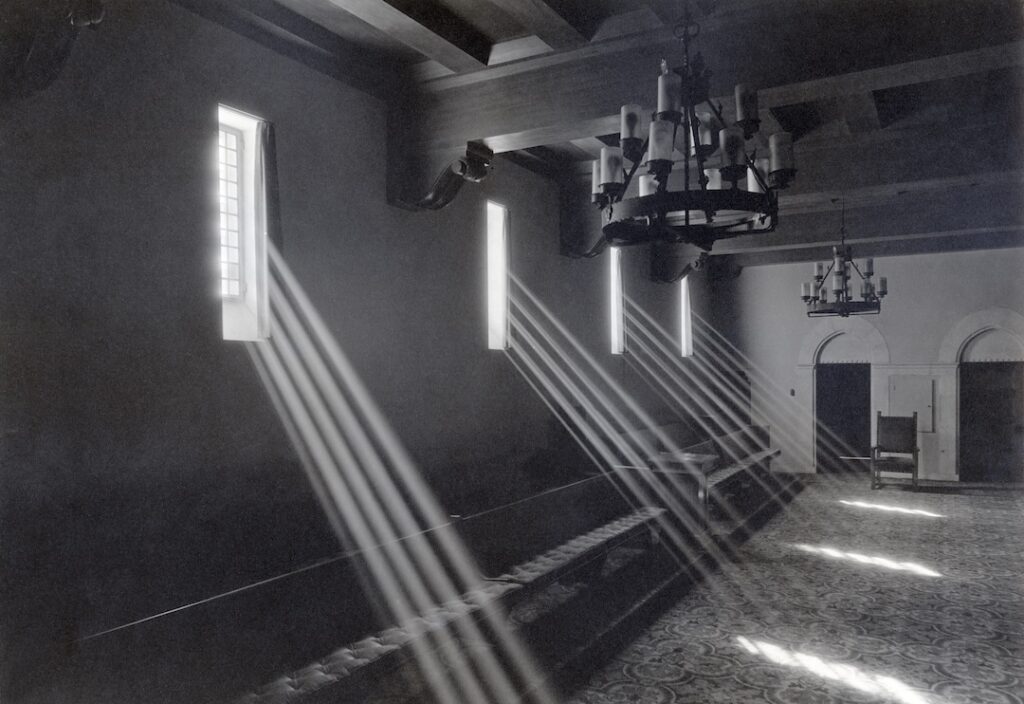
- Grand ballroom walls and ceiling restored
- Main lobbies restored
- ADA-compliant restrooms added
- Raymond Hood Room completed (2007)
- Junior Ballroom renovated for youth programs
- Shopland Hall air-conditioned
- Theatre walls and ceiling restoration
On the horizon
- New stage lighting and sound reinforcement
- Replacement of the 75-year-old stage floor
- Updated dressing rooms
- Elevated portable seating in Shopland Hall
- Air conditioning for floors 2–4